By Nathan Kiwere
The documentation of human stories through memoirs, biographies, and autobiographies is one of the most enduring ways humanity preserves memory, meaning, and moral insight. Long after events have passed and voices have fallen silent, written life stories continue to speak across generations, cultures, and continents. They do more than recount what happened; they interpret experience, transmit values, challenge assumptions, and shape how societies understand themselves and others. In this sense, life writing is not merely a literary exercise but a civilizational necessity.
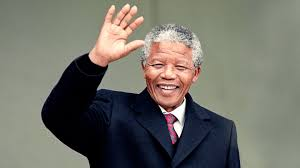
Throughout history, documented personal narratives have profoundly influenced humanity’s worldview. The autobiography of Nelson Mandela, Long Walk to Freedom, did not only chronicle the life of a South African freedom fighter; it humanized the struggle against apartheid and reframed it as a universal quest for dignity, justice, and reconciliation. By allowing readers to walk with Mandela through prison cells, moral dilemmas, and moments of restraint in the face of justified anger, the book reshaped global perceptions of leadership, forgiveness, and resistance. It demonstrated that political liberation without moral clarity risks reproducing the very injustices it seeks to end.
Similarly, Anne Frank’s The Diary of a Young Girl stands as one of the most powerful memoirs ever written, precisely because it captures global tragedy through the intimate lens of a child’s voice. The Holocaust, often reduced to statistics and historical abstractions, becomes painfully real through Anne’s fears, hopes, and reflections while in hiding. Her diary has educated generations about the human cost of hatred and intolerance, shaping global consciousness around human rights, genocide prevention, and the moral responsibility of remembrance. Without such personal documentation, history risks becoming distant and emotionally inert.
Biographies have also played a crucial role in shaping intellectual and spiritual thought. The many biographies of Mahatma Gandhi, especially those grounded in his own writings and reflections, have influenced movements for nonviolent resistance far beyond India. Leaders such as Martin Luther King Jr. openly acknowledged how Gandhi’s documented life provided both philosophical grounding and practical strategy. In this way, one life story, carefully preserved and transmitted, became a template for ethical action across cultures and epochs.
Autobiographical narratives have equally transformed social awareness. In I Know Why the Caged Bird Sings, Maya Angelou documented her experiences of racism, trauma, and resilience in America. Her story expanded public understanding of the psychological scars of oppression while affirming the redemptive power of voice and creativity. The book did not only validate the experiences of marginalized communities; it compelled broader society to confront uncomfortable truths about inequality and silence. Such documentation becomes a bridge between lived experience and collective conscience.
In the African context, memoirs and biographies have been especially vital in correcting historical distortions and reclaiming agency. Many African societies relied heavily on oral tradition, which, while rich, is vulnerable to erasure, manipulation, and loss. Written life stories provide permanence and global accessibility. They allow Africans to tell their own stories in their own voices, resisting narratives imposed from outside. The growing body of African biographies and autobiographies has helped reframe Africa not merely as a site of crisis, but as a continent of thinkers, builders, caregivers, and moral leaders.
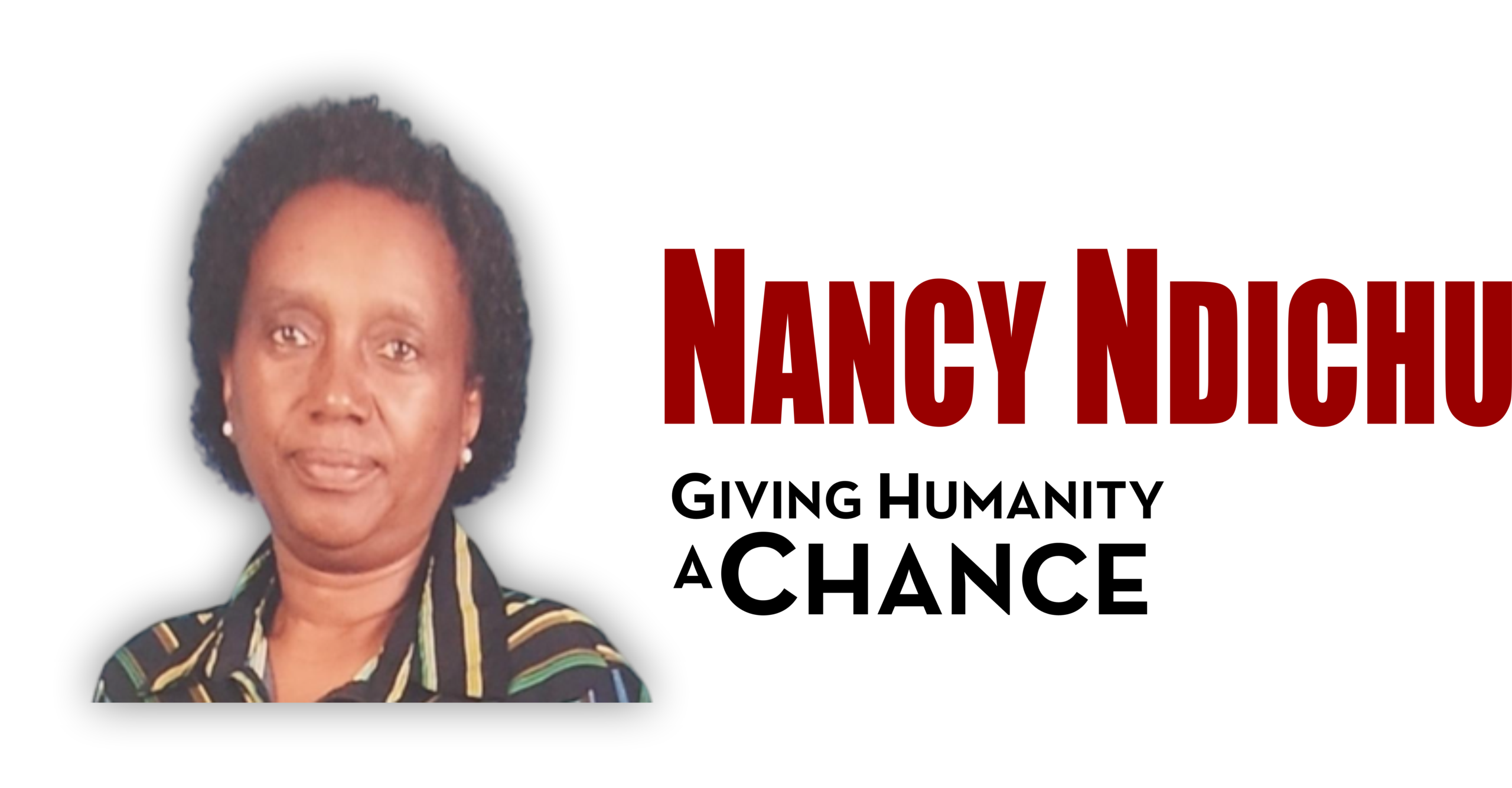
It is within this tradition that the biography of Nancy Ndichu, the Kenyan philanthropist, gains particular significance. Her forthcoming work, Giving Humanity a Chance, is more than a record of personal milestones; it is a documentation of a life committed to compassion, service, and ethical responsibility in a complex modern world. By choosing to document her journey, Nancy Ndichu contributes to a growing archive of African philanthropic leadership that is often underreported or misunderstood. Her story has the potential to inspire a shift in how success is defined, moving it away from accumulation and toward impact, empathy, and shared humanity.
Philanthropy, when documented through personal narrative, acquires depth and credibility. It allows readers to understand the motivations, doubts, sacrifices, and moral convictions behind acts of giving. In Nancy Ndichu’s case, her biography promises to illuminate how individual choices, rooted in empathy, can influence communities and encourage others to act. Such documentation is especially important in a world increasingly marked by indifference, where stories of lived compassion remind humanity that ethical action is both possible and necessary.
Ultimately, memoirs, biographies, and autobiographies matter because they humanize history. They remind us that progress is not driven by abstract forces alone, but by individuals making decisions within specific contexts, often at great personal cost. They preserve lessons that institutions cannot teach and statistics cannot convey. By documenting lives, humanity safeguards wisdom, cultivates empathy, and expands its moral imagination. Each recorded story becomes a thread in the larger tapestry of human experience, ensuring that the past informs the present and guides the future.
Leave a Reply